This blog was freelanced for Tennessee State Parks, originally published on their blog as “Pickwick Landing: A Lakefront Retreat Rooted in Local History.” I was financially compensated for this post.
Some places have a linear story–a clear beginning, a predictable end, and a journey between the two that follows a straight and logical line. For others, it’s a bit murkier. Place names are born but may fade into obscurity; history is built by flashes of inspiration along a timeline rather than through a continuous flow.
This is the patchwork kind of story we learned about the area that is now Pickwick Landing State Park. In 1883, a postmaster named Richardson K. Baird was tasked with naming his new station of charge in rural Hardin County, Tennessee. Baird was a fan of the English author Charles Dickens and decided to call his newly established post office “Pickwick” after Dickens’ novel The Pickwick Papers. The people in the community were served by this post office only until 1907, but names can often inexplicably stick around; and “Pickwick” has proven to be one with staying power.


When the Tennessee Valley Authority was established as part of President Roosevelt’s New Deal in 1933, this location on the Tennessee River became the agency’s second major project (following Norris Dam). TVA dams would improve life for rural communities impoverished by the Great Depression by providing flood control, better river navigation, inexpensive electricity, and job opportunities. And that old name from the Post Office that closed 30 years prior? It was revived with the project, and, despite motions to instead honor military battles or former state representatives, the Pickwick Dam was completed in 1938.
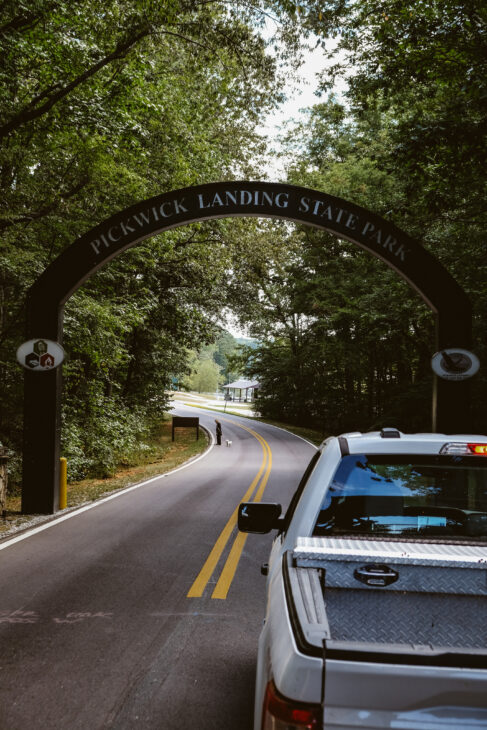
Today, Pickwick Landing State Park, located east of Memphis and just north of where the Alabama and Mississippi state lines meet, offers a full-scale waterfront retreat to visitors on land that has provided outdoor recreation to locals since the 1930s. When my family visited for a long Labor Day weekend stay, we came for the lakefront views and water recreation. We had no idea that, in addition, our visit would acquaint us with one of the most unique and motley stories of any state park we had visited.
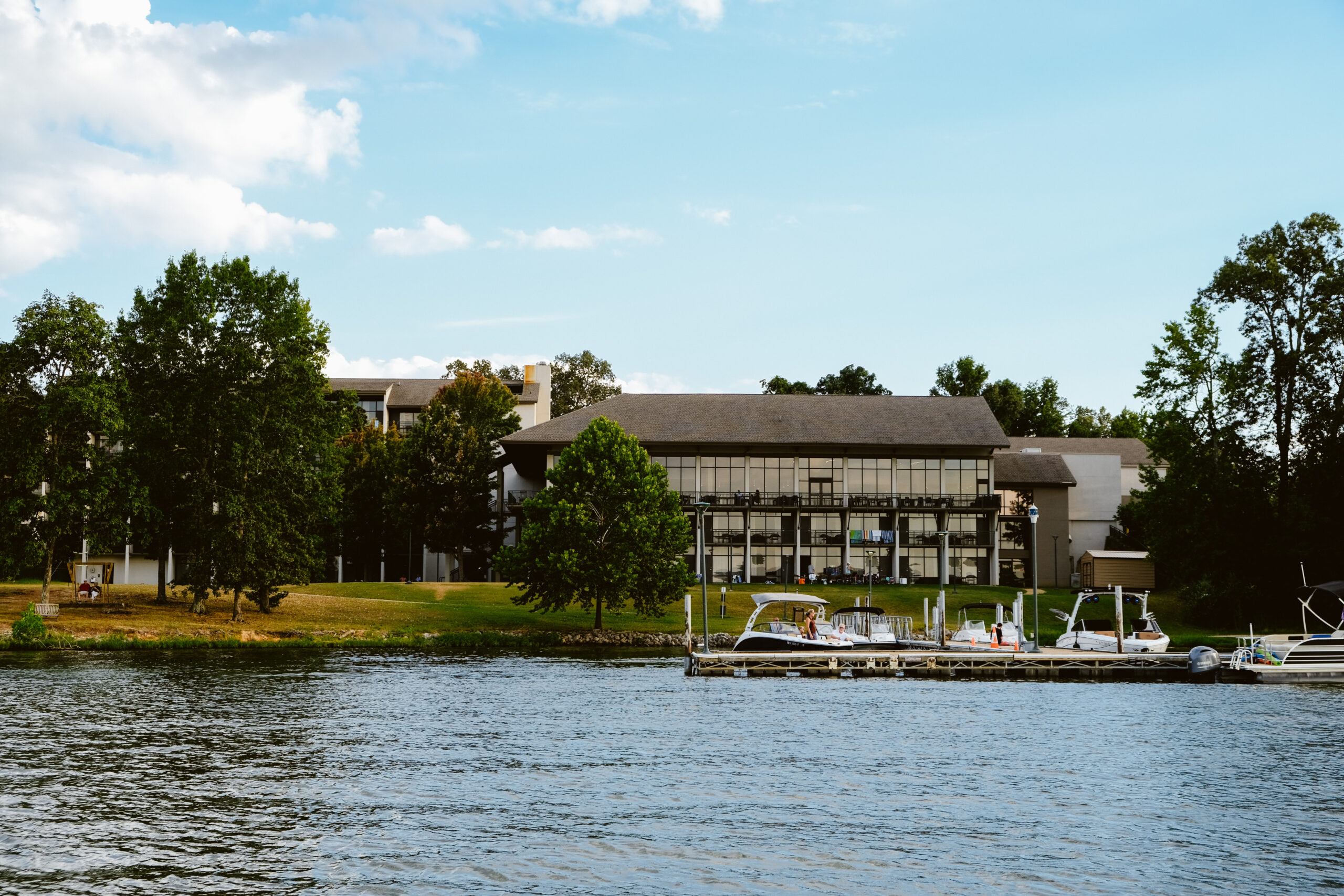
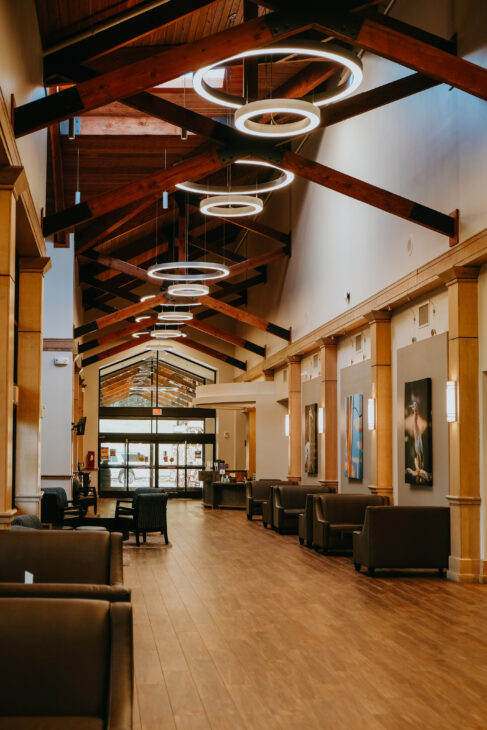
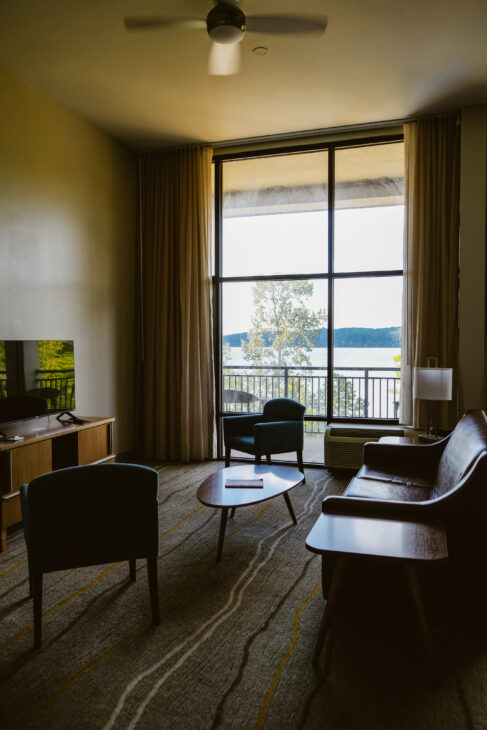
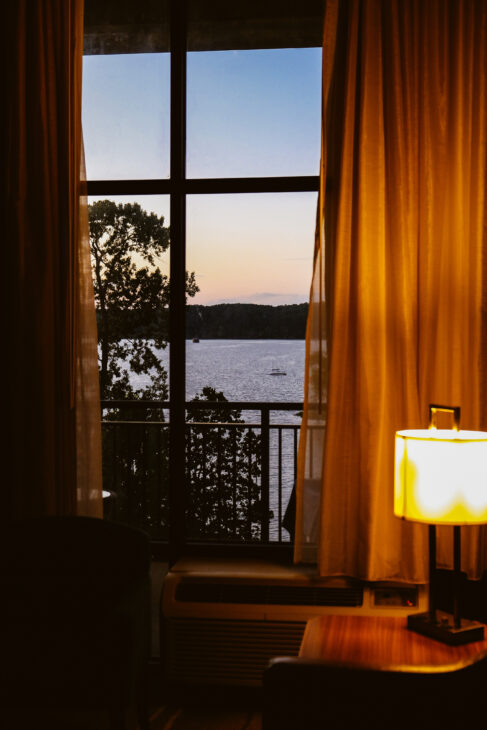
Our base for the weekend was the Lodge at Pickwick Landing, renovated in 2020 to modernize its guestrooms, restaurant, and conference center. It’s perfectly situated on the water to offer the most fantastic vistas from nearly every lake-facing window; there’s no room without a view, and the higher up you go, the better! Our room was on the top floor—a suite with two adjoining rooms (one King and one Queen); a common area with a living area, dining area, and kitchenette; floor-to-ceiling windows; and balconies overlooking the water.
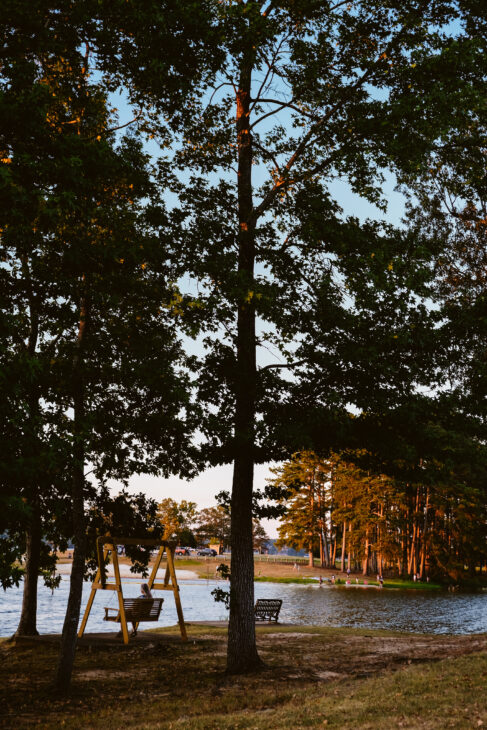
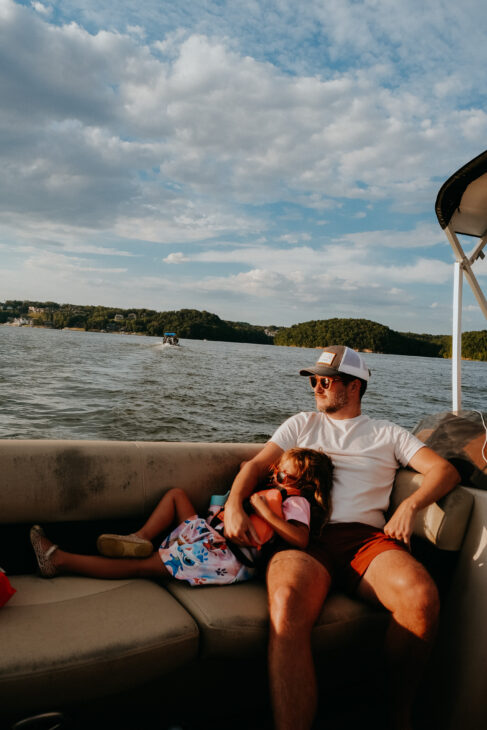
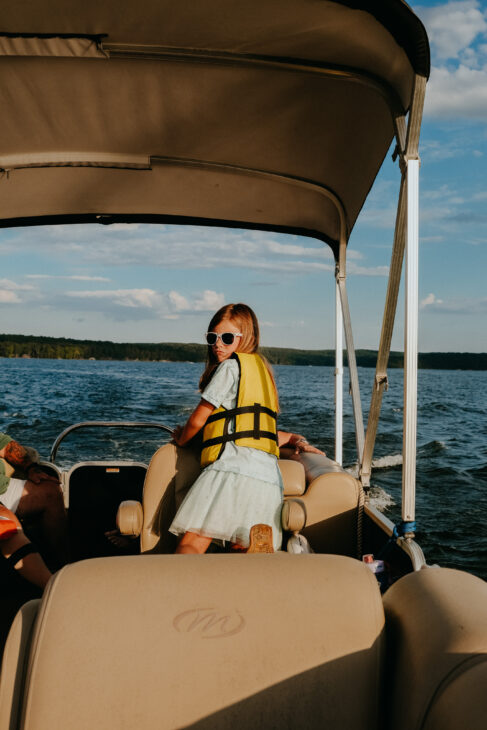
On the evening of our arrival, we took a pontoon cruise of the lake, crossing the shallow <10 foot depths near the lodge to the far edge of the Tennessee River before it was dammed, near the bluffs, where water depths reach over 60 feet. It’s clear that “lake life” is a mantra around here; vacation homes line the cliffs, and everyone has a dock for easy access to the water. Whether it’s for recreation or sport, the lake brings an abundance of wildlife to the area. Birders traveling by boat can spot waterfowl, gulls, and blue herons; fishermen have access to year-round catches. Each year, Pickwick Lake hosts numerous local and national fishing competitions. The lake itself is bigger than one would expect; its area spans over 40,000 acres across three separate states, so in our 90 minute cruise across still waters, we touched just the tip of the iceberg.
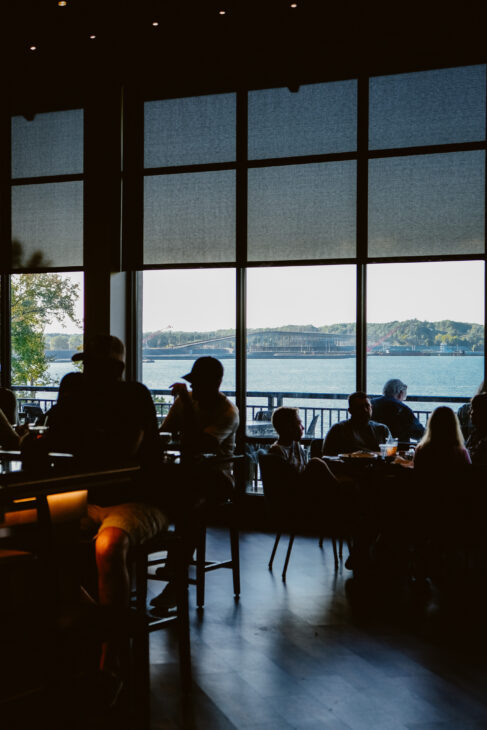
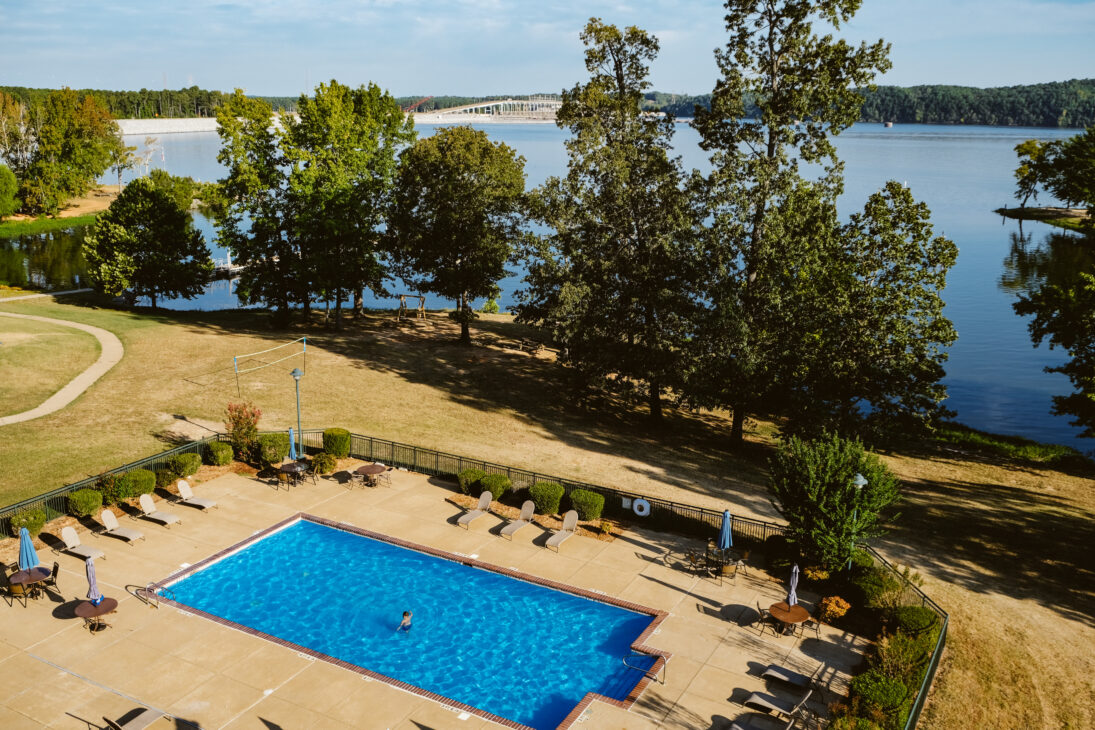
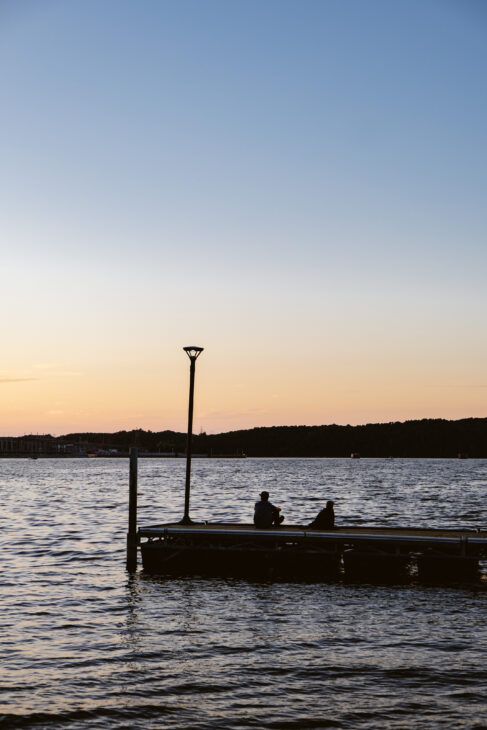
As the sun began to dip below the horizon, we puttered back to the dock, landing just outside the lodge with the promise of dinner waiting in the restaurant. The sky turned orange as we dined, and we were back in our room just in time to see the stars come out and the pool lights flicker on. The lodge is such a self-contained space of comfort that we could nearly survive without ever leaving the property. But of course, then we would miss the delights of the 1,400+ acres that first drew visitors to Pickwick Landing.
This particular spot on the river had been a popular riverboat landing since the mid-1800s, known for its surrounding natural beauty, but today, it’s hard to find physical evidence of the park’s earliest days. After a weekend breakfast at the restaurant, we aimed to learn more about the hidden side of the park’s story through a morning historical wagon tour with Ranger Jillian Ross. Over the course of two hours, we tracked the growth and development of Pickwick Landing from the construction of the dam to the present.
As TVA workers moved into the area, the community of Pickwick Village was born when many new buildings were constructed to house workers and provide local services. With the completion of the dam, Pickwick Lake provided the perfect setting for outdoor recreation, and the Civilian Conservation Corps (CCC)—another of President Roosevelt’s New Deal projects—was tasked with the project. The CCC worked alongside the TVA to repair the landscape and create Pickwick Dam Park on the lake, adjacent to Pickwick Village. While the President intended the CCC to be racially integrated, the reality was more complicated. Some of the program’s earliest camps were integrated on paper, but African-American workers were given jobs, such as kitchen roles, that kept them separate from white workers. After 1935, there were no integrated camps anywhere in the country. Further, when politicians of southern cities expressed concern about the African-American CCC companies moving into their areas, these groups were often instead sent to projects in more rural and remote areas instead. This was how the 3459th Company of the CCC made it to the Pickwick Dam project.


Workers moved into the area in 1935 and got to work building cabins, picnic shelters, and a mess hall. The Dunbar Company, as they had renamed themselves in honor of poet Paul Laurence Dunbar, numbered around 176 members and developed their own full-functioning community that included plenty of opportunity for recreation in addition to their duties, but it’s quite difficult to find remnants of these days. Following the park’s completion and the relocation of TVA and CCC construction workers, the park was privately leased until 1969 when the TVA sold the land to the state of Tennessee, and it was officially designated as a state park in 1970 and opened in 1972.
Ranger Ross pointed out the few CCC structures still standing: two picnic shelters (numbers 5 and 6), a stone bridge on Marina Road crossing Sulphur Creek, and a former bath house near the boat launch and Picnic Shelter 6. But for the most part, the old CCC structures that once supported a bustling community are now long gone, having fallen into disrepair and bulldozed to an area behind the present-day cabins, now reclaimed to nature.
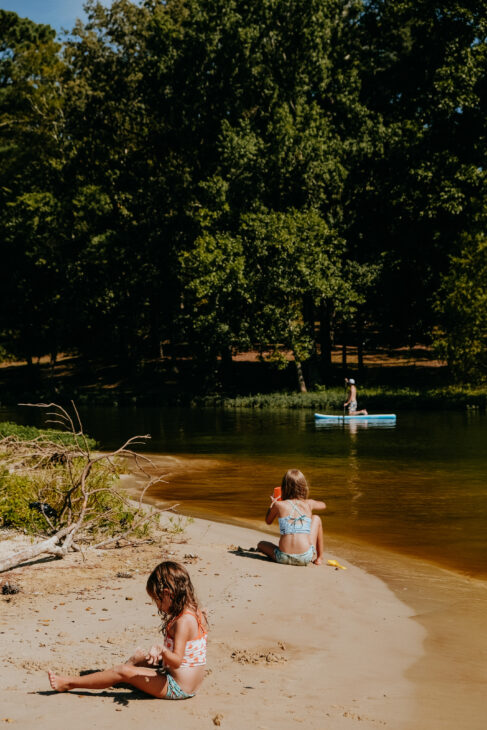
Pickwick continues its research and storytelling of the past, because it’s an important piece to understanding–and enjoying–our present. When the TVA dammed the river, families and communities within the flood zone had to relocate their lives and homes. Without their sacrifices, my kids and I would not have had a lake on which to enjoy a lazy Sunday afternoon paddle. If not for the CCC’s hard work and forward-thinking mission, we wouldn’t have the beach on which we lounged and picnicked.
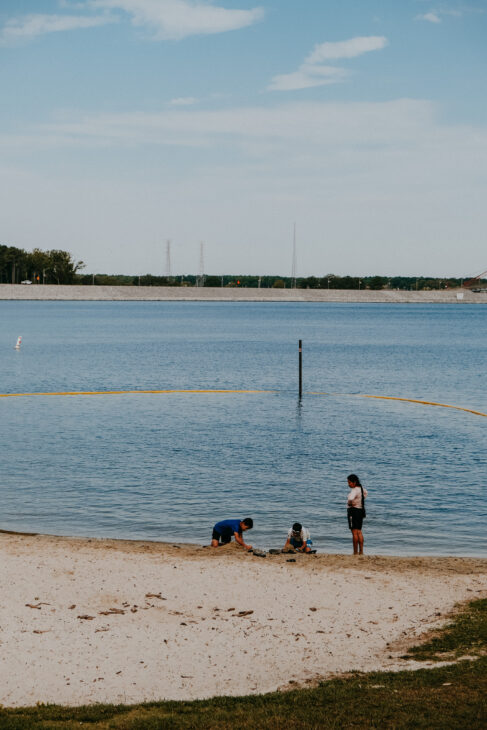
The history is important, and always a priority for Tennessee State Parks, but equally so is the future. Pickwick prioritizes its natural and historical resources to foster community and connection with all the park’s visitors. On a hot day, the swimming beaches are the hub of activity, drawing day-use and overnight guests to enjoy first-hand the fruits of that historic labor. The park’s modern cabins, tucked into the woods or along the lake shore, provide an immersive stay in the park’s natural setting, as does the year-round RV campground nestled in the woods. Further afield, the Bruton Branch Recreation Area, located 12 miles and 20 minutes away on the north side of the lake, offers lakeside primitive sites.
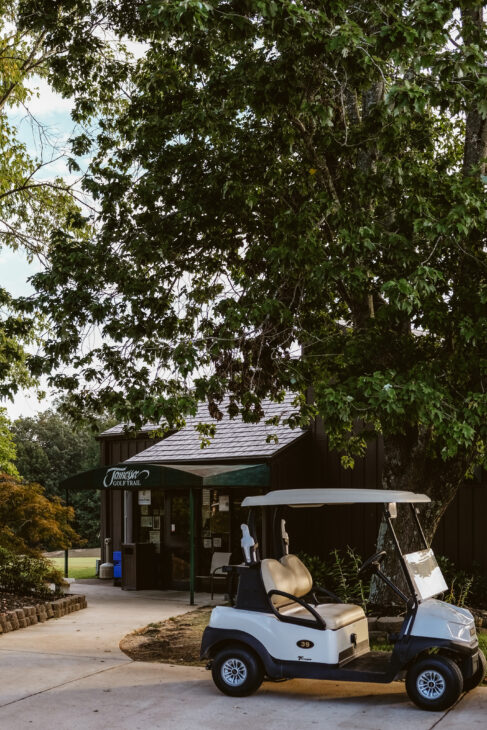
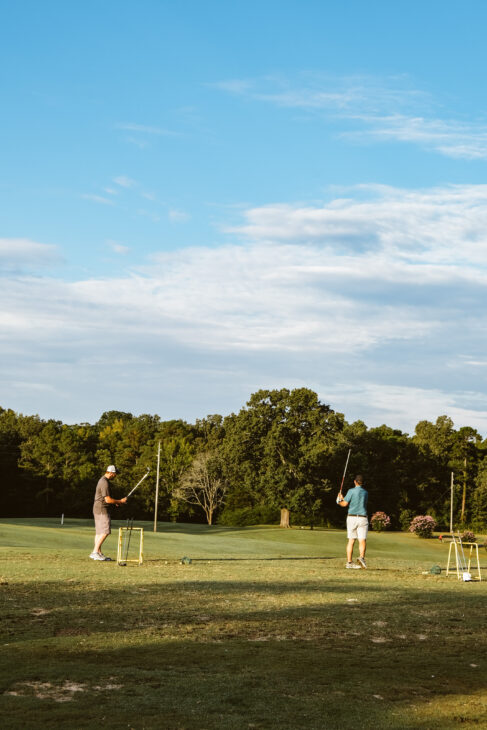
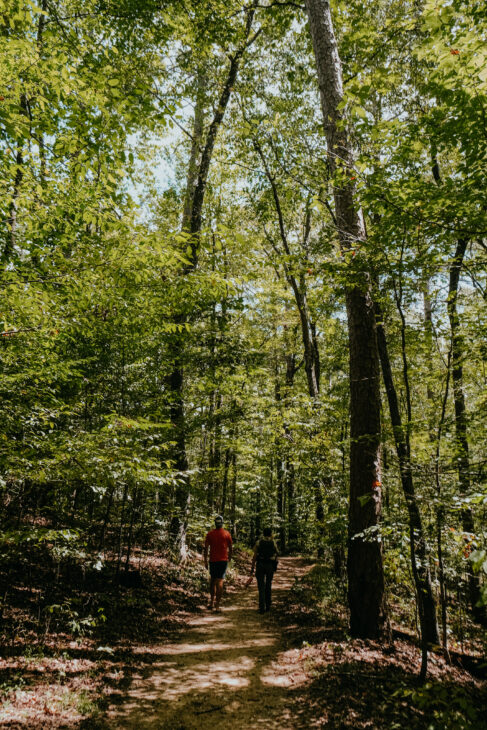
As I took an early morning walk through the park, I witnessed all the myriad ways people continue to build connections with Pickwick. Just outside the lodge, the playground already had a few rambunctious guests swinging from the monkey bars, and energetic tails were wagging at the Paws Landing Dog Park. Across Highway 57, the parking lot was nearly full at the golf course. Groups were taking their morning stretch at the driving range, and the real early-risers were already riding off the course after the final hole. (The golf course is also open year-round!)
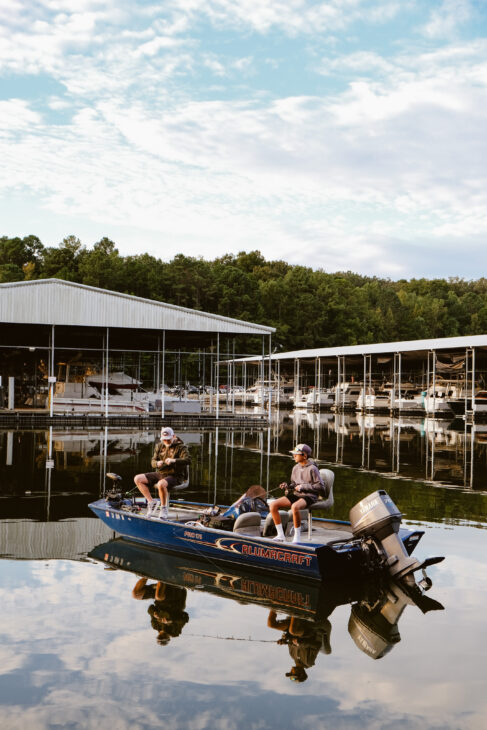
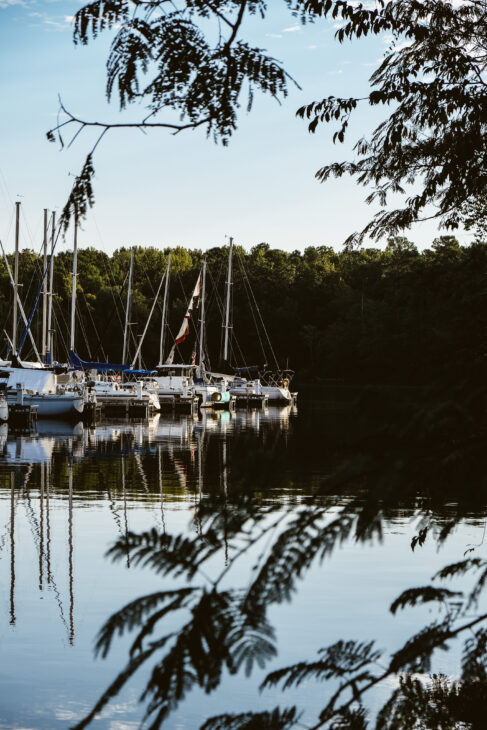
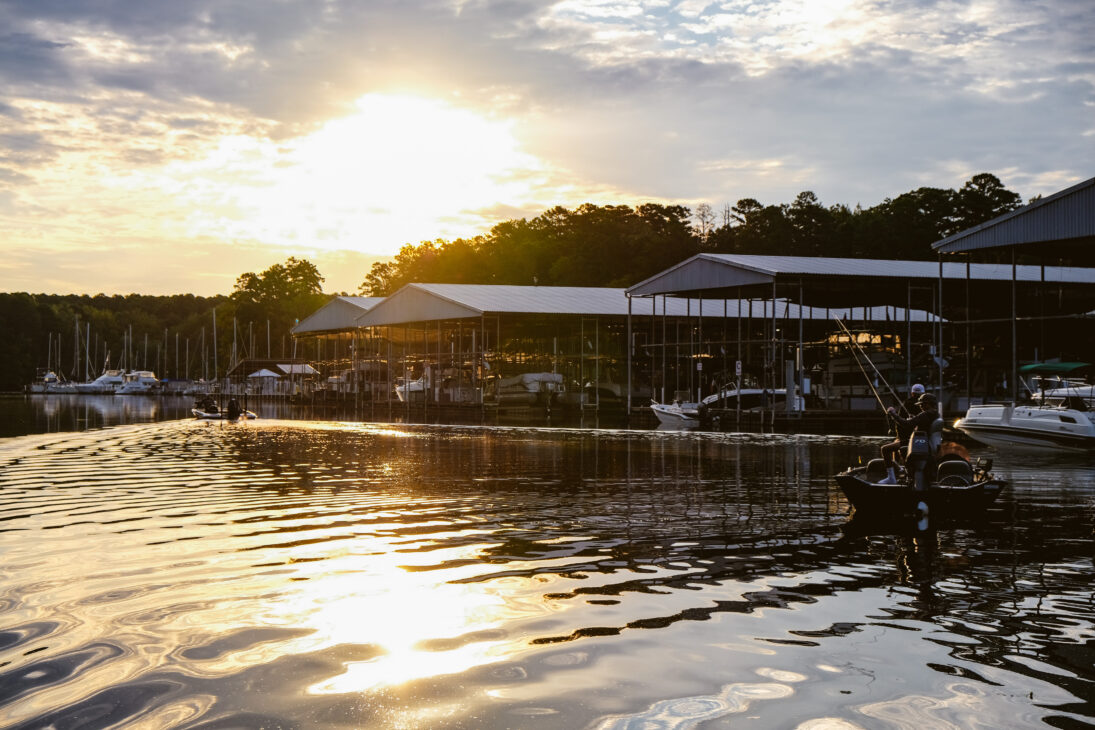
At the marina, boats quietly launched; fishermen cast their first lines; and the morning sun created the most beautiful reflections. Standing on the dock of the paddleboat house, a father and son on a fishing boat drifted by and asked if I knew directions to a particular creek on the lake they had read about. I didn’t–as I told them, I’m no fisherman–but I pulled out my camera to capture the reflection they made on the morning waters. “Are we going to be famous from this picture?” they asked. This was just one of the many brief, friendly conversations I’d had with other park goers over the weekend. We may not have much in common, but we’d shared the experience of Pickwick, and for that we were a little more connected.