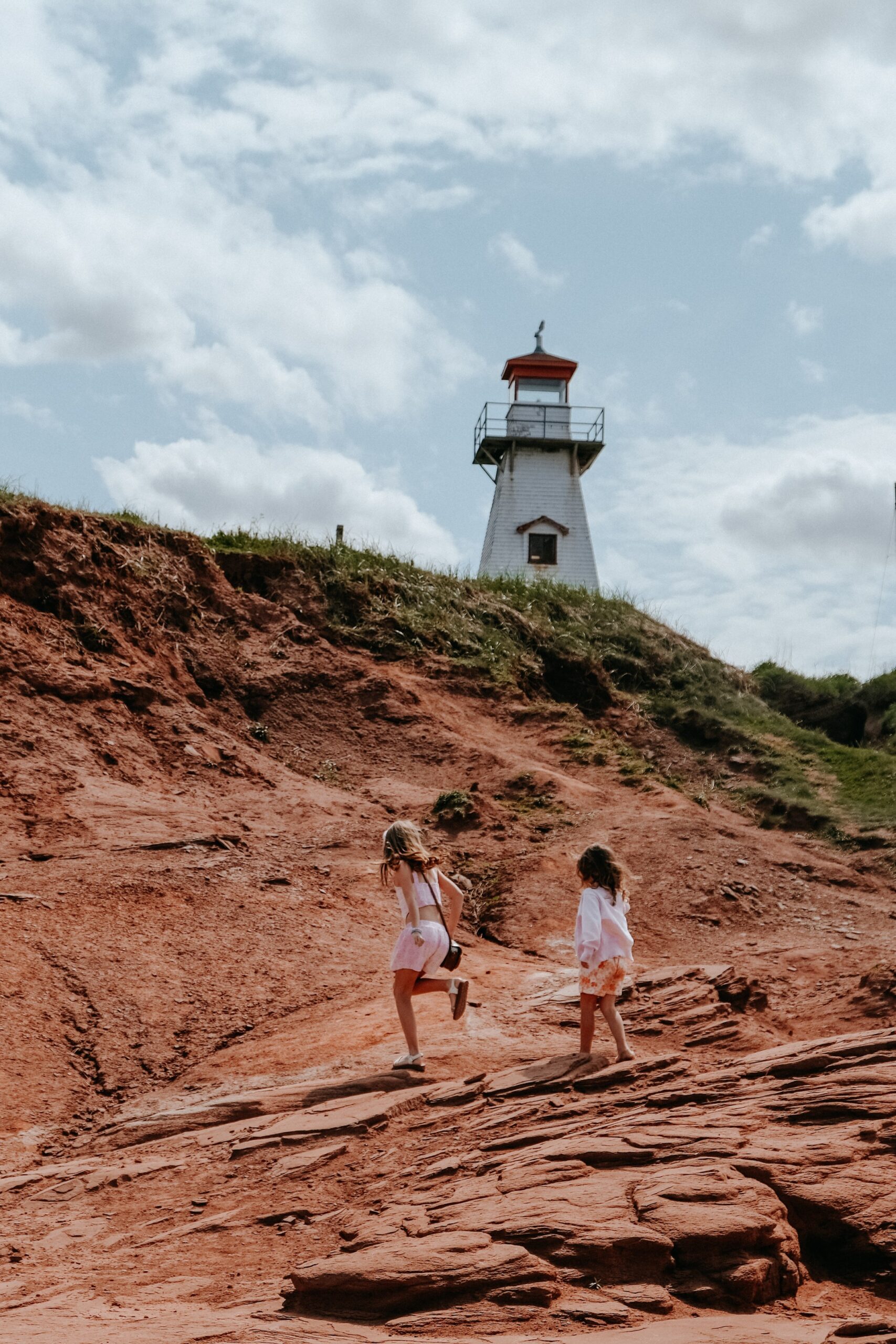
We’d hardly known each other an hour, and already we’d been thrown together into the unknown wilderness. It was east Tennessee, not the wilds of the Amazon, but we were six women – strangers – from different parts of the country and entirely different lives. We’d hit a roadblock, literally, before the hike even started; a massive puddle in the access road blocked our route to the trailhead, requiring a hike to get to our hike. Now, with a late spring downpour threatening overhead, we were putting all our trust in our guide Christopher, who we had known even less time than each other, to lead us through the forest.
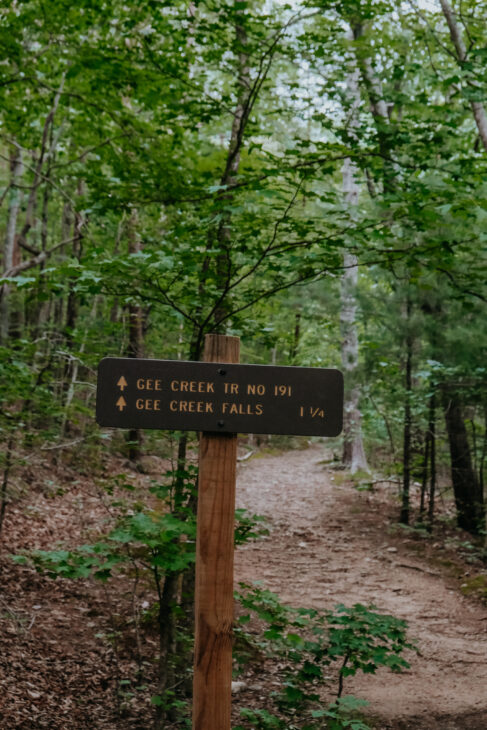
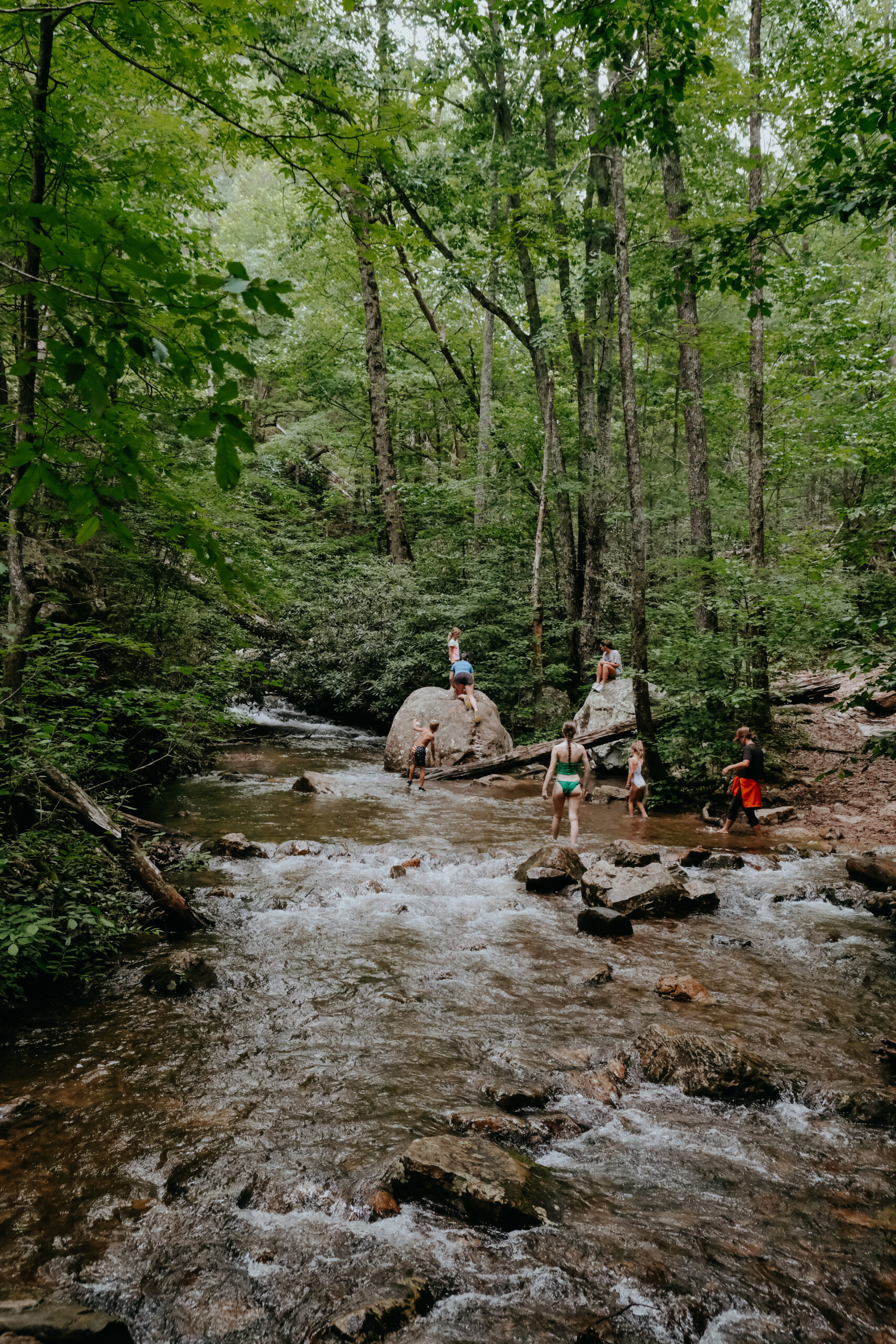
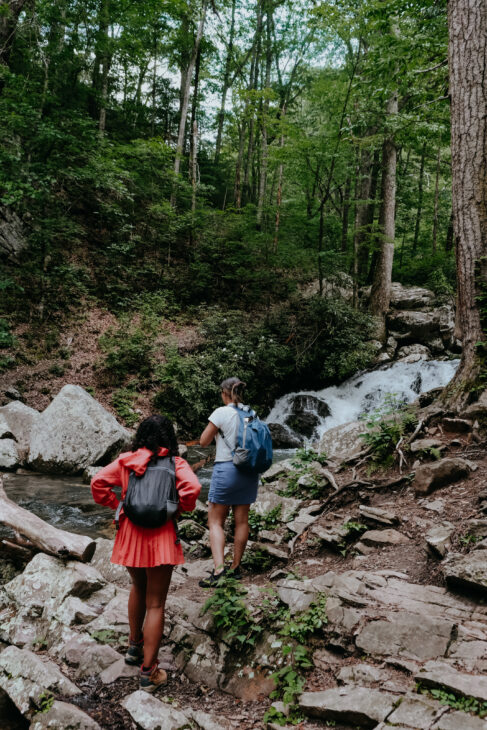
The introductory chatter began as we hiked up the hill towards Gee Creek Falls. Somehow it’s easier to talk to strangers when you’re helping each other climb over rocks and find the right footing – less capacity to overthink your conversation, maybe. By the time we reached the falls a mile later, we talked as old friends. We shared bug spray, held hands to navigate over slippery rocks, and traded phones to capture the scene on our camera rolls. As we discovered the swimming hole at the base of the falls, we encouraged each other to take the leap in.
Something about the trip had already lowered my inhibitions – maybe it was the liberation of summer break, the effortless companionship of new friends, or just being 40 and caring less. With a “when in Rome” mentality, I climbed up to the launch rock perched above the pool of water. A camera was already recording – a real rarity for me, capturing #proofofmom – as I took my final step to the edge…and promptly slipped and tumbled gracelessly into the water below. Nothing was injured, except, briefly, my pride. But it broke the ice – the first outing of our 3-day adventure together and already we had a story to tell.
Considering my obsession with travel, it’s hard to fathom that I’ve lived in a state for nearly 30 years and there are still large swaths through which I have never even driven. Truth be told, I’m much more of a city girl than a country one, and I unfairly give our state’s rural counties little consideration. My judgment is unfair and hypocritical, and I know it. I have no hesitation at visiting the most rural of locations overseas, but apparently not in my own backyard.
So when I was invited to the Tennessee Overhill before WITS in Chattanooga, I was thrilled for the opportunity to check my biases and reframe my view of the less crowded parts of our state. After all, every place has a story to tell – the “why” behind this very blog – and I was determined to find the stories of this region worth telling.
The Overhill comprises three contiguous counties tucked in east Tennessee between Knoxville and Chattanooga: Monroe, McMinn, and Polk. It’s a region loaded with nature and small-town charm away from major interstates and metropolitan areas. It holds hundreds of years of history that still quietly shapes its present day. Our 3-day itinerary, designed by Tennessee Overhill Tourism, led us through the people, places, and stories of each of its three counties.
Itinerary Overview
Day 1: Polk County
HIKE to Gee Creek Falls
EXPLORE Goforth Creek Recreation Area
DINE at Ocoee Dam Deli and Diner
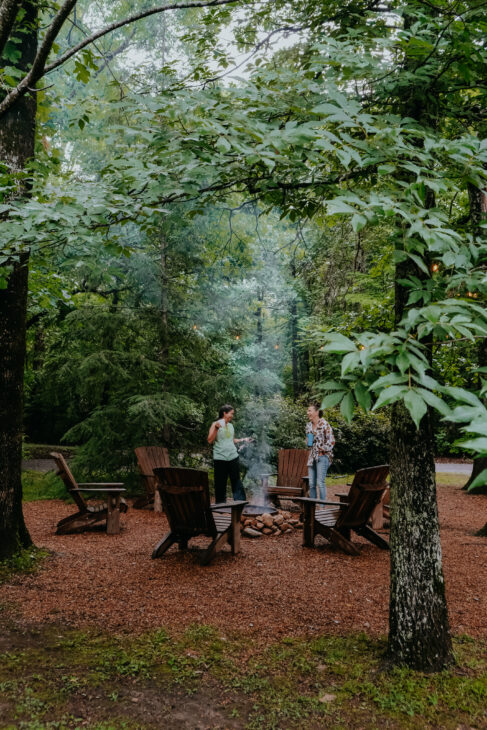
STAY at Fireside Outpost
Day 2: McMinn County
DINE at Tellico Junction Cafe
BIKE Eureka Trail
TOUR Mayfield Dairy
DINE at Woods Family Diner
EXPLORE downtown Athens
RAFT Hiwassee River with Webb Brothers Float Service
DINE at Midway Milkshake
Day 3: Monroe County
DINE at Tellico Grains Bakery
EXPLORE Bald River Falls
TOUR the Charles Hall Museum
DINE at Tellicafe
TOUR the Sequoyah Birthplace Museum and Fort Loudon State Park
RELAX at Tsali Notch Vineyards
EXPLORE downtown Sweetwater
DINE at The Lazy Beagle
PARTY at Carpool Garage
Waterfalls in Polk County
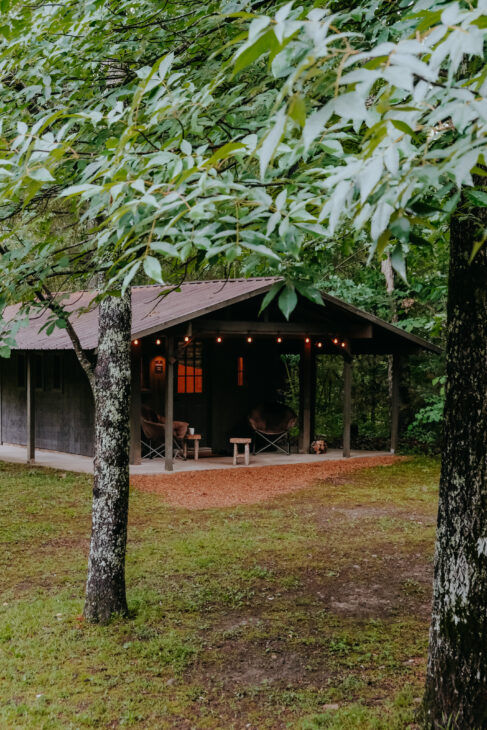
Nestled down in the southeastern-most corner of the state, Polk County would be home for the duration of our stay – specifically, Fireside Outpost, a cabin and campground retreat just outside Hiwassee Scenic River State Park. The owner, Kim, has created the perfect refuge for fellow outdoor enthusiasts: a sprawling creek-side retreat with five private, newly-built cabins, an uncommonly clean bathhouse, and tucked-away campsites. Based on my single interaction with Kim – a formidable woman who is so fit, it’s hard to pin down her age range – the whole concept matches her presence; she’s well-known for her cycling ventures, including the creation of some intense bike-packing and gravel routes through Tennessee Gravel.
In tourism-speak, Polk County is synonymous with “Ocoee Country.” It’s home to the Ocoee and Hiwassee Rivers, famous for rafting, and much of the Cherokee National Forest; basically, it’s a Mecca for nature and adventure lovers. Defined by this natural landscape at the foot of the Chilhowee and Unaka Mountains, it’s the homeland of early Woodland Indians and, later, the Cherokee who were forced from the region by way of the Trail of Tears. The county was born shortly after, carved from parts of neighboring Bradley and McMinn Counties and named for then-governor and future-president James K. Polk. For over a hundred years, the county was a mining hub which devastated the area, environmentally – a textbook example of destruction from acid rain. After nearly a century of intervention by the TVA and other agencies, the landscape is rebounding.
On a visit today, you’d never know the once-sorry state of its land. On our hike to Gee Creek Falls, we were inundated by dense flora, abundant birdsong, and the omnipresent rivers and creeks that ran serpentine alongside the country highways and well-trodden trails. Roadside stops lead to obscure trailheads like Goforth Creek where we surprised a pair of hikers enjoying the small falls, their only presence the clothing they’d left behind on a rock. Closing out our day in Polk County, we dined at Ocoee Dam Deli and Diner, a quintessentially local restaurant with a playful theme, hearty menu of community favorites, and killer warm brownie smothered in melted peanut butter.
Small Towns of McMinn County
To visitors, county lines have a trivial presence; trips are planned based on regional offerings, not local jurisdiction, and cooperative tourism associations, like Tennessee Overhill, have figured this out. Our next morning began as if we were locals just heading twenty minutes north for a good breakfast, nevermind that we’d crossed into McMinn County. It was Memorial Day at Tellico Junction Cafe in Englewood but business as usual with early morning breakfast-goers having already claimed a table, working on their second cup of coffee. The handwritten menu of daily specials advertised a 14-inch Memorial Day Dog with two toppings of your choice and a side of fries or onion rings for $9.99. It was a little early for a hot dog; instead, our party feasted on southern breakfast staples – scrambled eggs, bacon, French toast, country ham, biscuits with the off-menu chocolate gravy – and left languid from overindulgence.
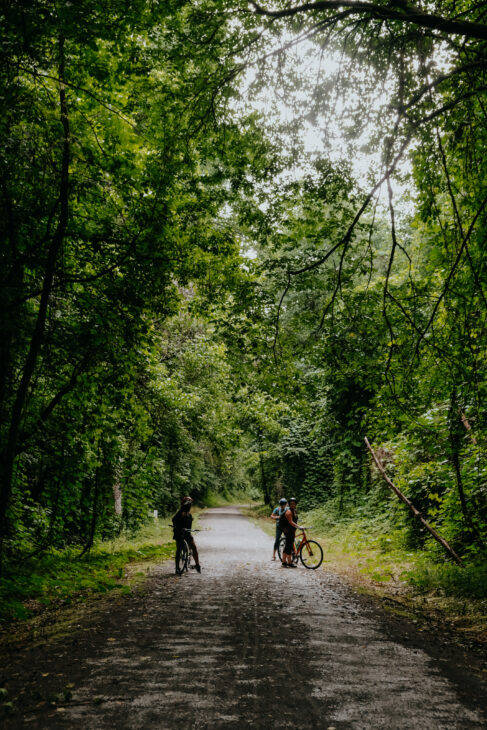
McMinn County, predecessor to Polk, was born from ceded Cherokee land after the Calhoun Treaty of 1819. Soon after, east Tennessee’s earliest railroad lines were built in the area, and communities and industries emerged along the line; the old 1853 Mouse Creek Station, now called Niota Depot, is the oldest depot still standing in the state. This history was embedded in our morning activity: biking the Eureka Trail, a paved rail-to-trail conversion on abandoned lines between Englewood and Athens. Before embarking on our own journey using rentals provided by Bike Tennessee, Austin Fesmire, Retired Director of Parks and Recreation in Athens, told us the trail’s history. It was a project designed by UT engineering students and developed through a coalition of local governments. “I’ve had people come to my office and share how much this trail benefited their own lives and health,” he shared. The fortuitous timing of its debut, just prior to COVID, didn’t hurt its popularity.
The heart of the recreation community in the Overhill is based on this creative reuse, building something of value from a blight; turning what’s old into something new. But our next stop was one proud that it hadn’t changed; its legacy is its marketing pitch.
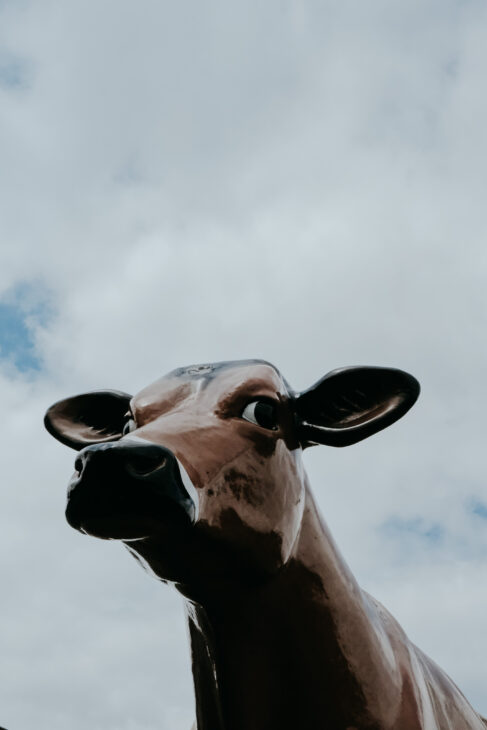
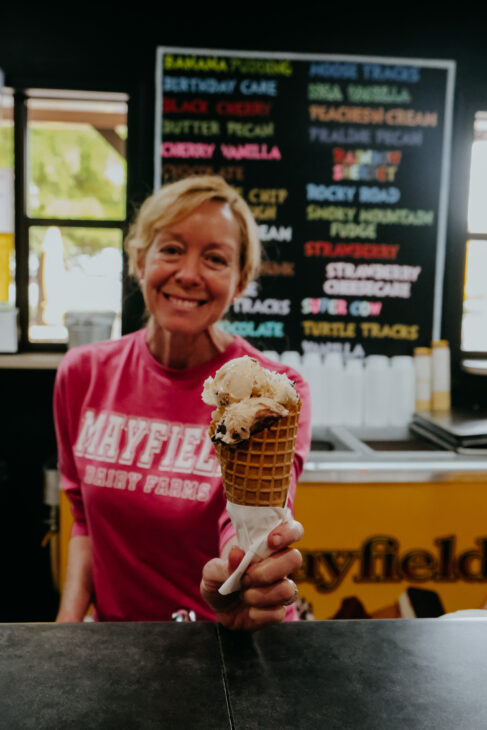
“It’s our honor. It’s our heritage”: lines that welcome visitors to one of the county’s most prominent local businesses and tourist destinations, Mayfield Dairy. In 1910, T. B. Mayfield, Jr. began selling milk to locals from his herd of 45 Jersey cows. In the century since, the dairy has developed the iconic light-blocking yellow jug and been named “World’s Best Ice Cream” by Time magazine. We tested the validity of that accolade with an all-your-can-try flavor test. The dairy has its staple flavors but continuously tests out new, seasonal ones available to visitors and often in stores, as well. My choice? Moose Tracks – creamy vanilla swirled with peanut butter cups and fudge – in a waffle cone. In 2020, Mayfield was purchased by Dairy Farmers of America, a cooperative that puts ownership in the hands of individual farmers rather than a single corporation. I didn’t give much thought to my milk purchases, but now I’ll pay the extra dollar for the yellow jug.
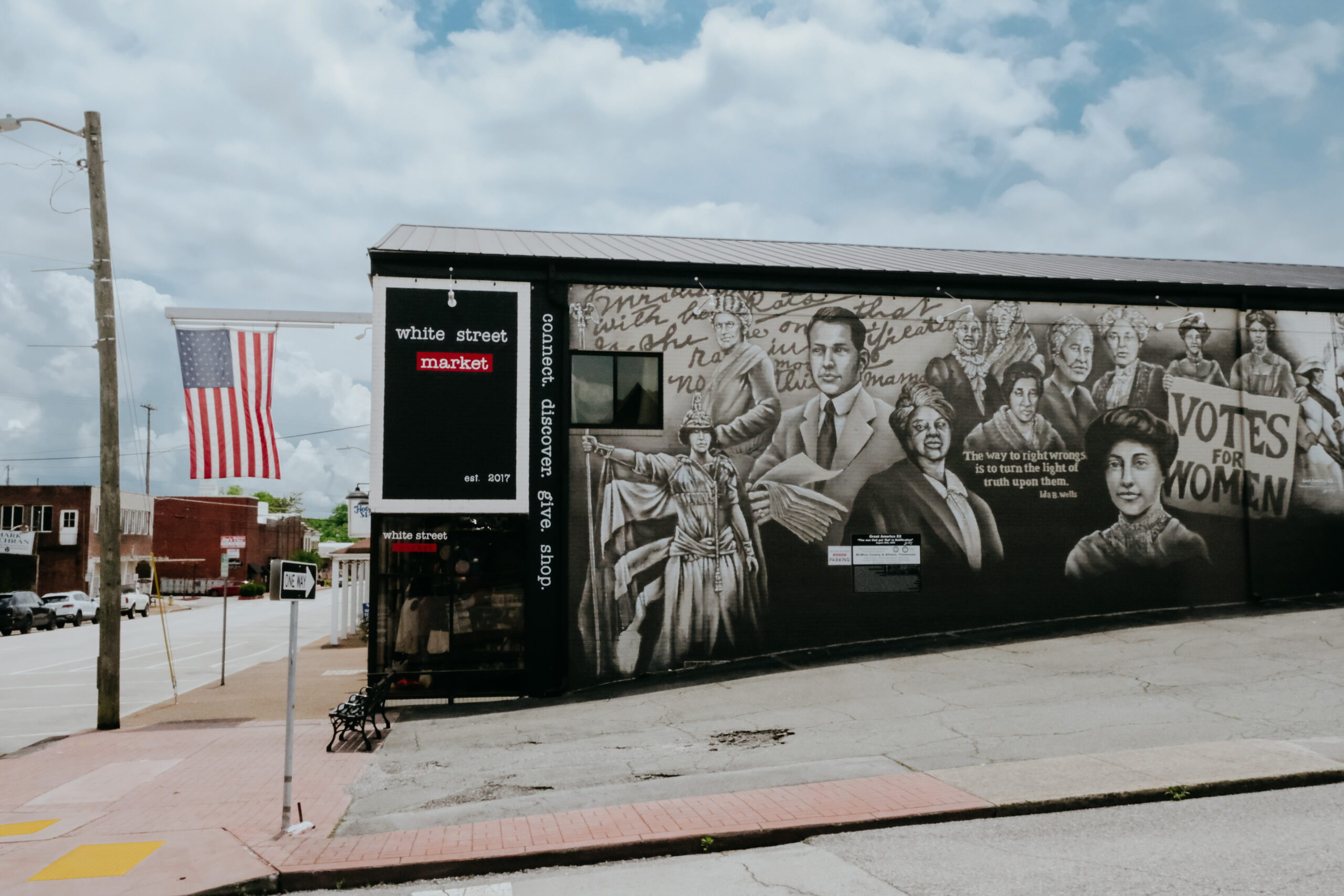
After our ice cream visit and an indulgent lunch at Woods Family Diner (the hawgback potato – a baked potato topped with pulled pork, cheese, and sour cream – was divine), we walked off a few of the calories touring the murals of downtown Athens, a town filled with historical incongruities. During the Civil War, loyalties between sides were split fairly evenly, though the county officially voted against secession; in 1920, McMinn’s legislative representative Harry Burn, at the urging of his mother, switched his vote at the final, climactic moment to support women’s suffrage as Tennessee became the necessary state to ratify the 19th amendment; and later, the “Battle of Athens” was its most sensational event to date during an election when several WWII veterans ran for office to oust supposedly corrupt local representatives. Government officials stole the ballot boxes to count behind locked doors, which the GIs took to be a sign of the corruption, and hours of gunfire between the groups resulted. If you research the “Battle of Athens” online, the sequence of events is plainly stated, but hearing these stories firsthand as we strolled through Athens’s town square, there was some hesitation in labeling the story’s villains and heroes; families of both sides still reside in the area – a reminder that history’s complexities foster ambiguity in the story that’s eventually told. You may read one story in history books, but the truth is undoubtedly more complicated.
When naturalist John Muir journeyed through the region in 1867, he described the Hiwassee River as “mysteriously charming and beautiful… with its surface broken to a thousand sparkling gems, and its forest walls vine-draped and flowery as Eden.”
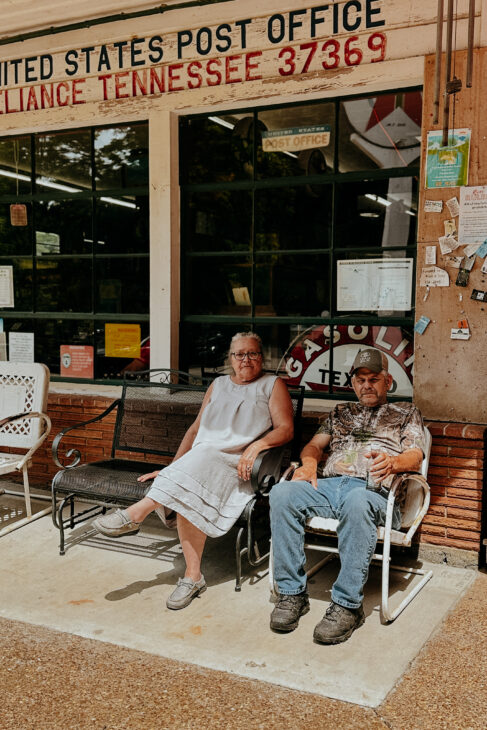
While the Ocoee is known for its Class III and IV rapids (a site in the 1996 summer Olympics), the Hiwassee is more accessible to recreationalists with Class I and II rapids. We were about to see for ourselves; our afternoon itinerary led to Webb Brothers Float Service, an adventure outfitter that has sat next to the river on Highway 30 in Reliance since it opened as a general store in 1936. It’s still a family-run operation; as you stroll aisles in the back of the store, you can see the kitchen of its on-site proprietors. It once served as Reliance’s post office (closed in 2011), but the antique pump out front still draws gas.
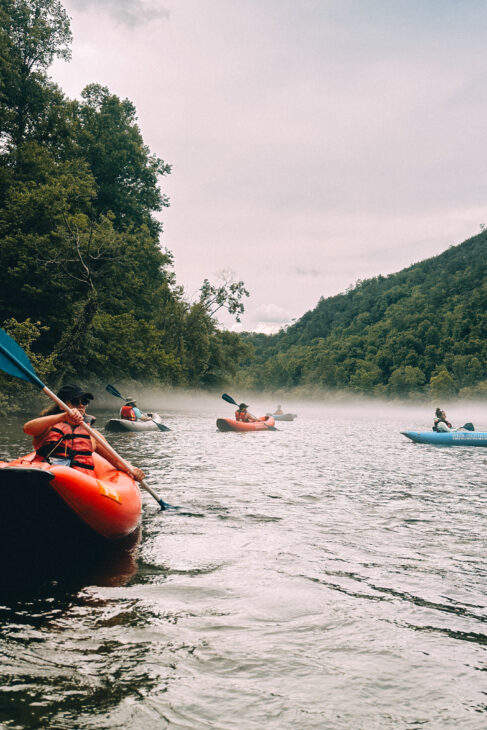
We were equipped with a life jacket and paddle, driven upriver to our launch point, and sent off in good faith, trusting that our lack of practical training was a sign we could manage. We began the 5-mile route downstream just as the sun disappeared behind afternoon clouds and a low fog fog settled over the water. “This is low-key giving horror movie vibes.” Taima, one of my travel mates, said this with a smile on her face as our companions ahead disappeared into the mist. By this point, different members of our party had already drifted downstream backwards, gotten stuck on a boulder, and been ejected from the kayak. (She recovered.) We were pretty comfortable with our lack of wherewithal and utterly enjoying ourselves. Our journey ended up taking about 2 hours, and we all lived to tell the tale. And often, even, to film it.
Fortunately, we were off the water by the time an evening storm rolled in. As we dined on burgers and milkshakes at Midway Milkshake, rain rattled the aluminum roof overhead and, for the first time in the late May heat, I was thankful for my long sleeves.

Appalachian History in Monroe County
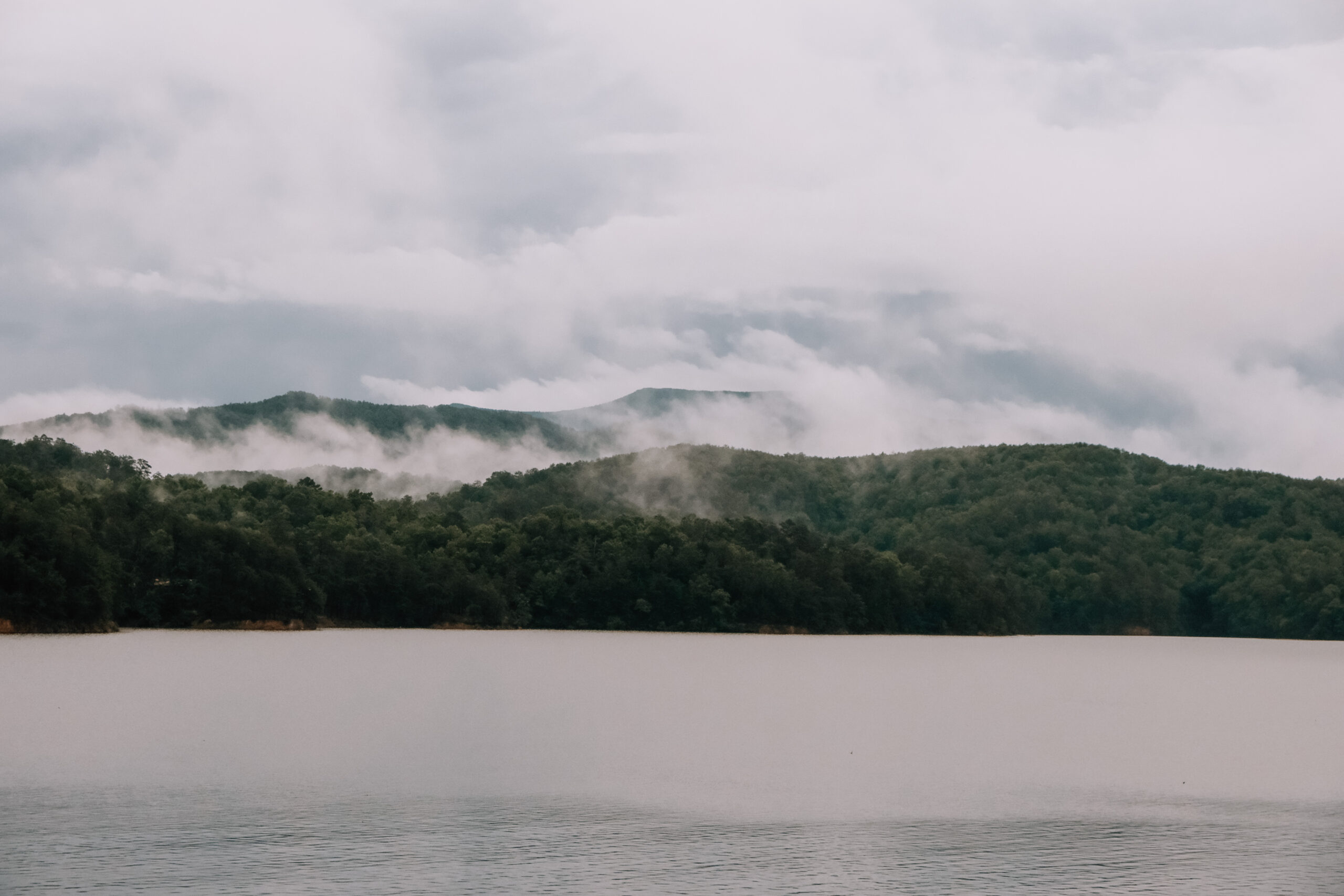
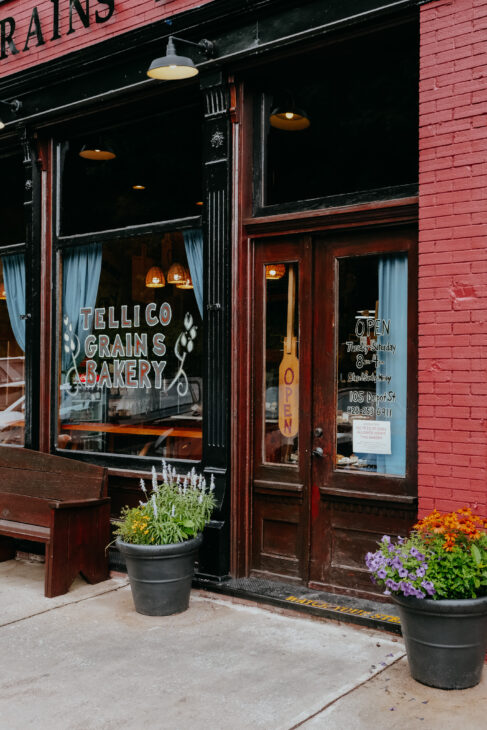
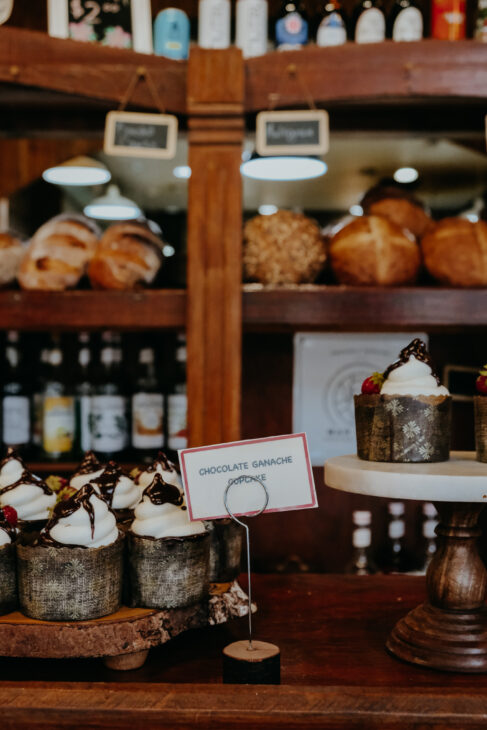
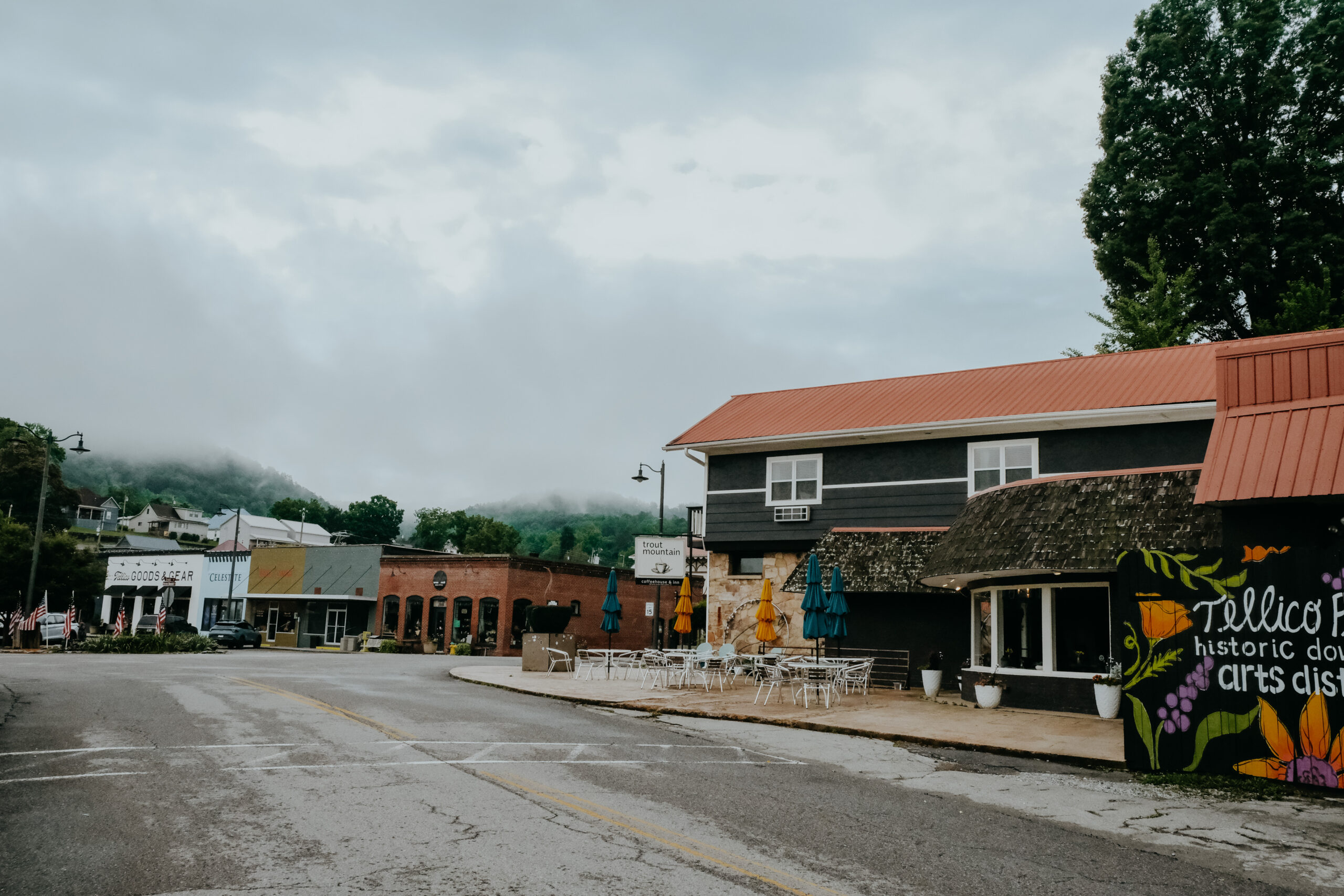
Southeast Tennessee isn’t known for smokey mountains like its aptly-named neighbors to the north, but by morning, the lingering rain reminded us that we’re still in Appalachia; from the quiet streets of Tellico Plains, you could hardly see the surrounding mountains for the fog that descended on the town. We breakfasted at Tellico Grains Bakery. They boast an impressive display case of pastries for a European patisserie, much less rural Monroe County. It was too early for the conflicting decision of sweet or savory at the pastry counter; splitting the spinach ricotta croissant and raspberry bear claw with my tour mate Shelby was the ideal option.
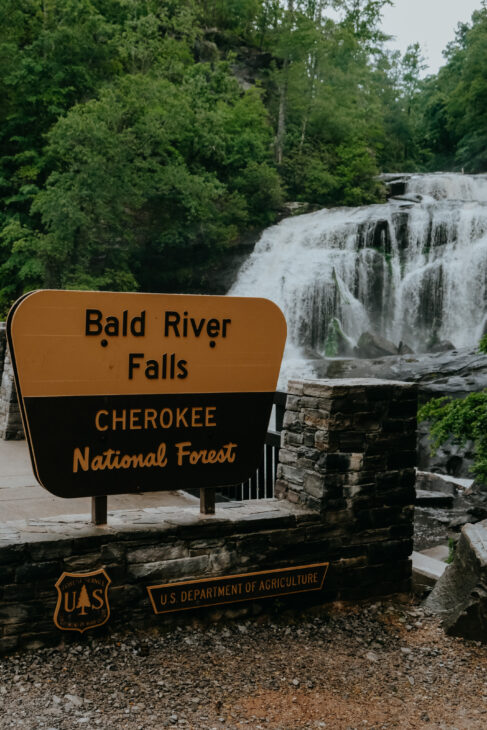
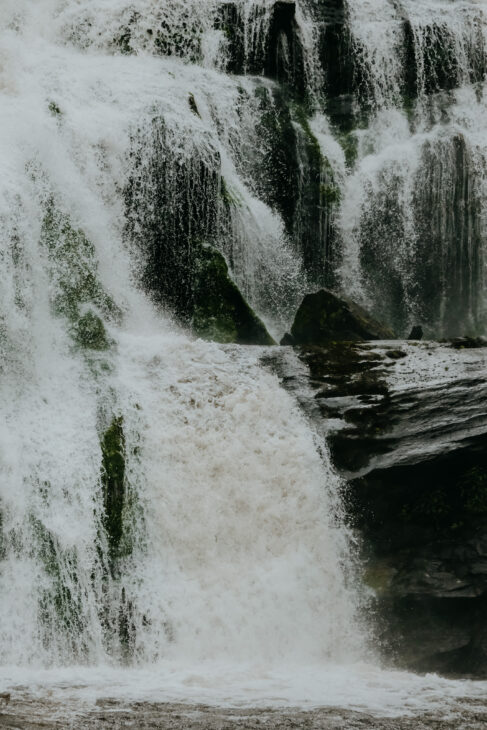
Though outdoor adventure wasn’t on the day’s itinerary, nature is unavoidable in the Tennessee Overhill. The Cherohala Skyway is a National Scenic Byway that runs between Tellico Plains and Robbinsville, NC, its name derived from the two National Forests through which it snakes: the Cherokee and Nantahala. We wound along a portion of its 43 miles to reach Bald River Falls, located 5 miles east on the skyway from Tellico Plains and another 6 miles hugging the river along Tellico River Road. It’s 90 feet of thundering falls, viewable right from the road. Reportedly, kayakers sometimes propel themselves over portions of the falls, but I happily settled for scenic photos from afar.
I live in the state’s largest city, so, to me, this rural Overhill region feels untrodden; there are ACRES of hardwood forest in place of homogeneous subdivisions, standalone repurposed buildings instead of commercial strips. But in fact, this stretch of country has been well-traveled for hundreds of years. The Unicoi Turnpike was an old Cherokee trading path turned military passage and, eventually, toll-based transport route to and from port cities on the east coast. Its path winds through Monroe County, and you can learn a lot more about this and other local history at the Charles Hall Museum in Tellico Plains. Hall was a local historian and served as mayor of the town for over 30 years. He was also an avid collector, and his collections, many highlighting Native American and Appalachian life, are amassed in the 2-building museum in his name. Though not locally significant, the vintage cameras and telephones were my favorite.
The history lesson continued after a southern lunch at Tellicafe with a visit to the Sequoyah Birthplace Museum. His name is well-known, but his legacy is transcendent; Sequoyah created the Cherokee syllabary in 1821, giving written language to the Cherokee Nation. Our tour was led by Charlie Rhodarmer, museum director and – in the best serendipitous reminder of how small the world can be – a relative by marriage of mine. Sequoyah’s story is one that left me puzzled. His mother was Cherokee, and it’s widely believed there was some European ancestry on his (unknown) father’s side. He had no formal education and worked as a farmer and blacksmith. At this time in the early 19th century, settlers were swiftly encroaching on Cherokee land. Through his everyday encounters with white men, and especially in times of confrontation and battle, Sequoyah realized the Cherokee’s disadvantage of not being able to communicate through a written language and began years of work to complete the syllabary. It’s indisputably a transformative achievement that led to a massive increase in Cherokee literacy and unification. But at the same time, Sequoyah twice ceded Cherokee land, leading to their eventual relocation to present-day Oklahoma by way of the Trail of Tears. These paradoxical truths left me considering legacy and how one interpretation of a story may not be universal – another reminder that history is full of nuances that aren’t often told.
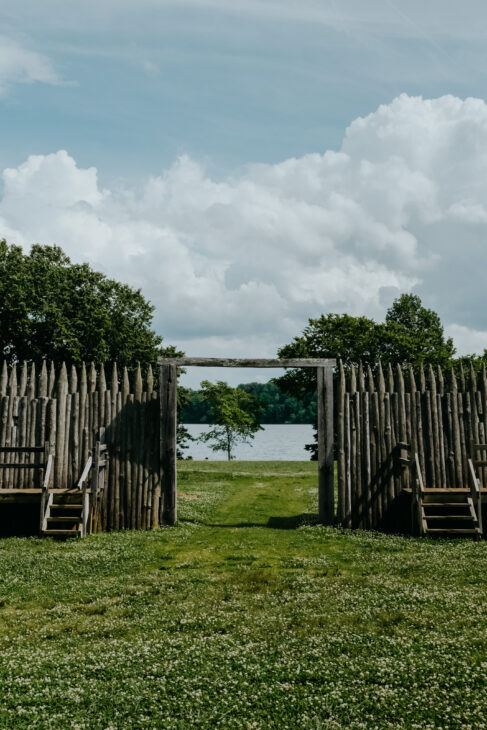
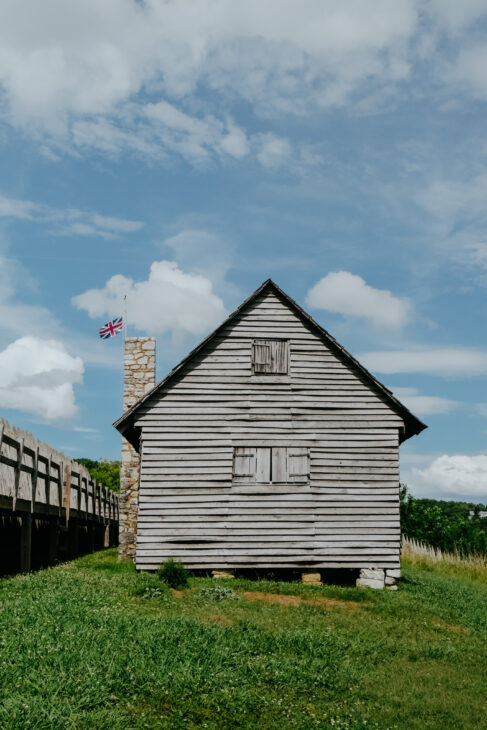
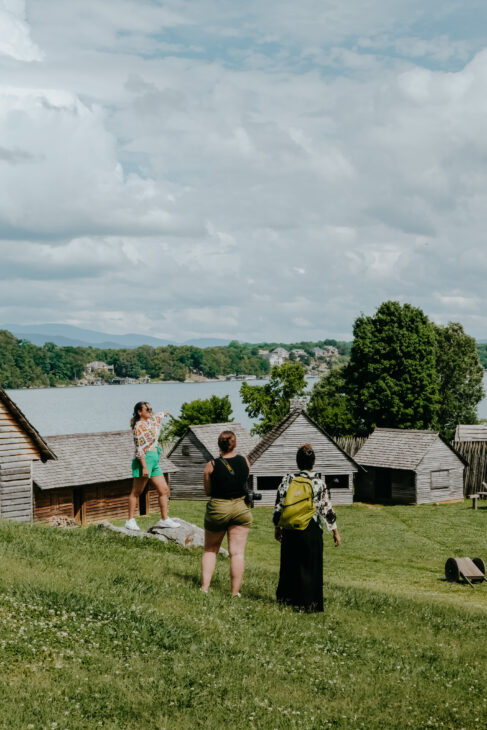
Next, we took a short tour of nearby Fort Loudoun State Historic Park. It’s a reconstructed replica of the British fortification that was constructed in 1756-1757 during the French and Indian War. The idea for the fort was initially to improve trade relations with the Cherokee, who were beginning to ally themselves with the French, while also asserting British land control as the colonizer expanded into the continent. The fort was finally built once war broke out to protect British and ally Cherokee tribes from rival, French-supporting troops and tribes. Within just a couple of years, though, the British and Cherokee relationship had fallen apart, and the Cherokee attacked the fort in 1760 forcing a surrender by the British.
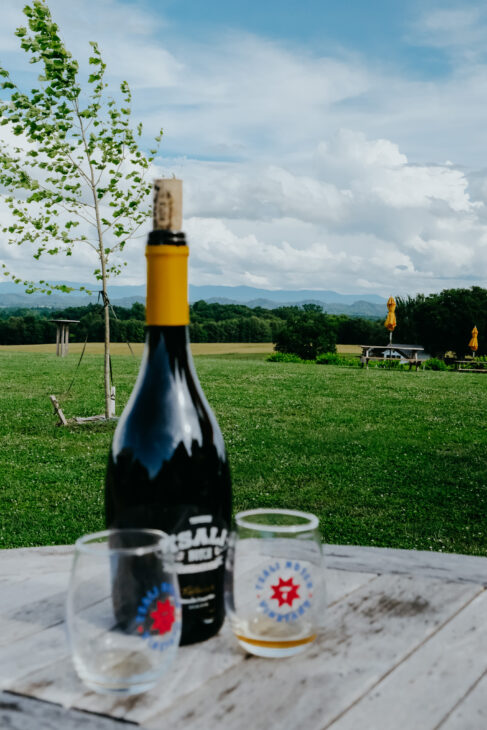
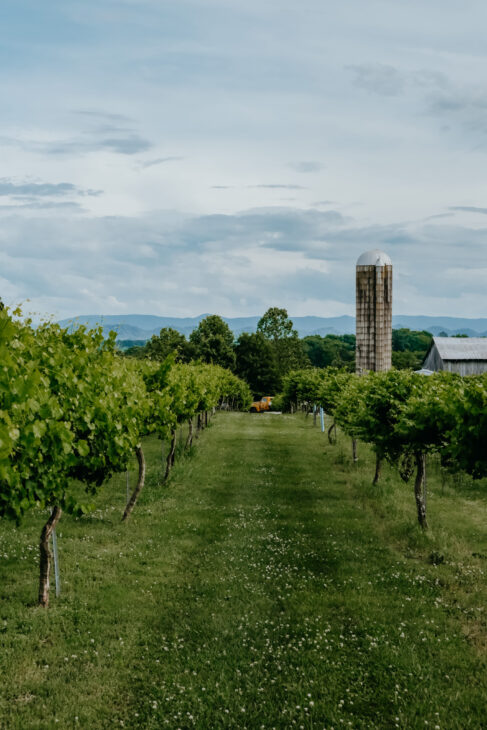
By mid-afternoon, summer had appeared in full technicolor – bright sun, blue sky, sparse clouds. We were on the cusp of a sweaty afternoon as we arrived at Tsali Notch Vineyards, a minor discomfort that was entirely forgotten as we took in our view surrounded by a vista of green with rolling foothills in the distance. The winery uses native muscadine grapes – a thick-skinned variety adapted to hot, humid southern summers – to produce its bold wines. Their flavors are hardly comparable to well-known varietals; even the dry wines were oodles sweeter than I’m used to. The unique climate of the plateau and mountains produces a grape unlike any other, though still, shared our guide, “not as sweet as grandpa made.”
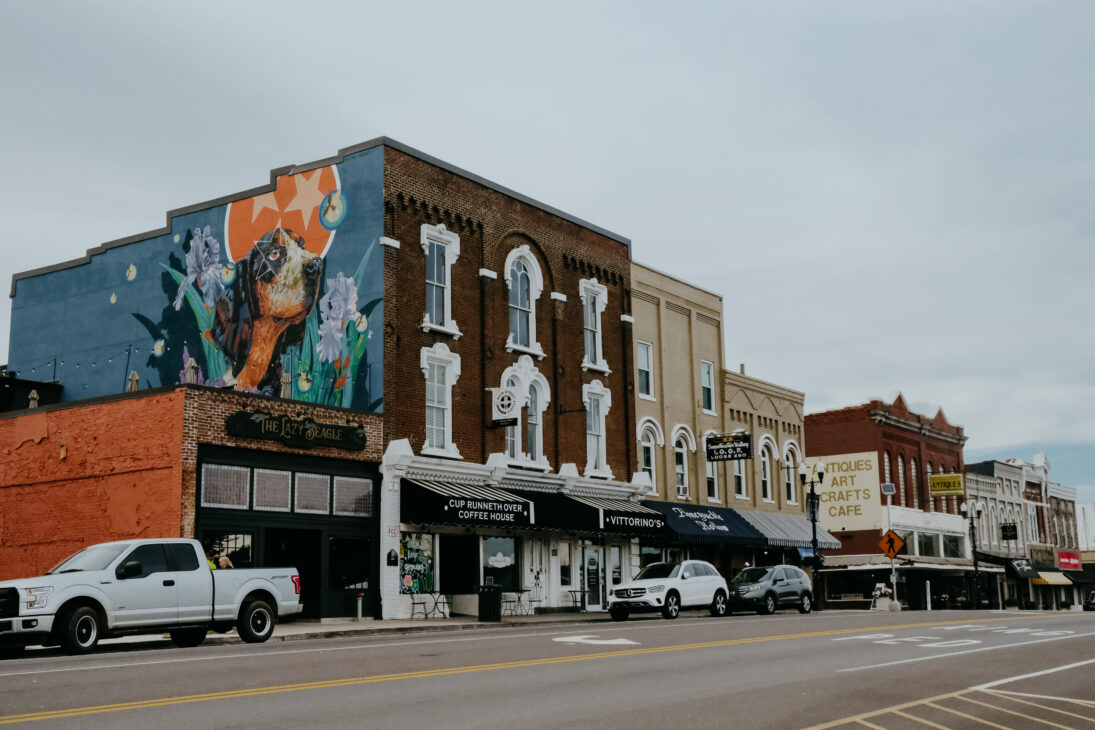
Winding down from another day of adventure, we spent our final evening in the county’s largest city, Sweetwater. But this attribute is deceptive; it’s still rural Tennessee, and Sweetwater is the most idyllic historic downtown. It’s one of the state’s 50 Main Street Communities that intentionally balances preservation with economic growth. You won’t find shuttered windows here, as local businesses fill the buildings that have lined the street for over a century. We toured the town’s murals before our final dinner together at The Lazy Beagle. It was packed on a Tuesday night, but we stretched down three long tables and passed appetizers back and forth without question. Three days earlier, we were a group having dinner together; now we were a family sharing a meal.
“What song are you singing tonight?”
The question wasn’t whether I was singing or not, because according to our host at Carpool Garage, a divey nightlife hangout in, yes, an oversized garage, that question had only one acceptable answer. Instead, she stood waiting as I racked my brain for the karaoke go-to tracks that were now eluding my memory.
In my everyday life, I wouldn’t be the one with the mic. I don’t know that my voice is atrocious, but I know it’s not crowd-stopping. Mostly, I’m just not the person that will confidently, if terribly, sing a song to strangers. But we already established on day one of this trip that it’s not my “everyday” and I don’t have to be my “everyday” self. Travel – and especially solo travel – allows freedom to embrace the unexpected. So when the opening notes of “Mamma Mia” blasted overhead, I didn’t hesitate. I took the mic and screeched out the words as my new friends sang backup, supporting this surprising, extraordinary version of myself.